Organizations don’t fail because of lack of talent—they fail because departments operate in silos. Sales doesn’t see what Operations sees. Leadership doesn’t see what frontline teams struggle with. HR doesn’t see performance gaps until it’s too late.
The cure for siloed communication isn’t more meetings… It’s shared performance data.
Performance Scoring makes cross-department collaboration seamless by giving every team a single source of truth for goals, KPIs, tasks, and expectations. When everyone sees the same information at the same time, decisions get faster, alignment improves, and accountability becomes natural.
Why Shared Data Is the Key to Collaboration
Cross-functional work breaks down when teams rely on:
❌ Separate tools
❌ Conflicting KPIs
❌ Opinion-based updates
❌ Delayed reporting
With Performance Scoring, teams collaborate through:
- Shared ScoreBoards showing real-time performance
👉 https://performancescoring.com/scoreboard/ - Unified Meeting Management pulling in tasks, KPIs, and action items
👉 https://performancescoring.com/meeting-management/ - Transparent Feedback & Coaching across departments
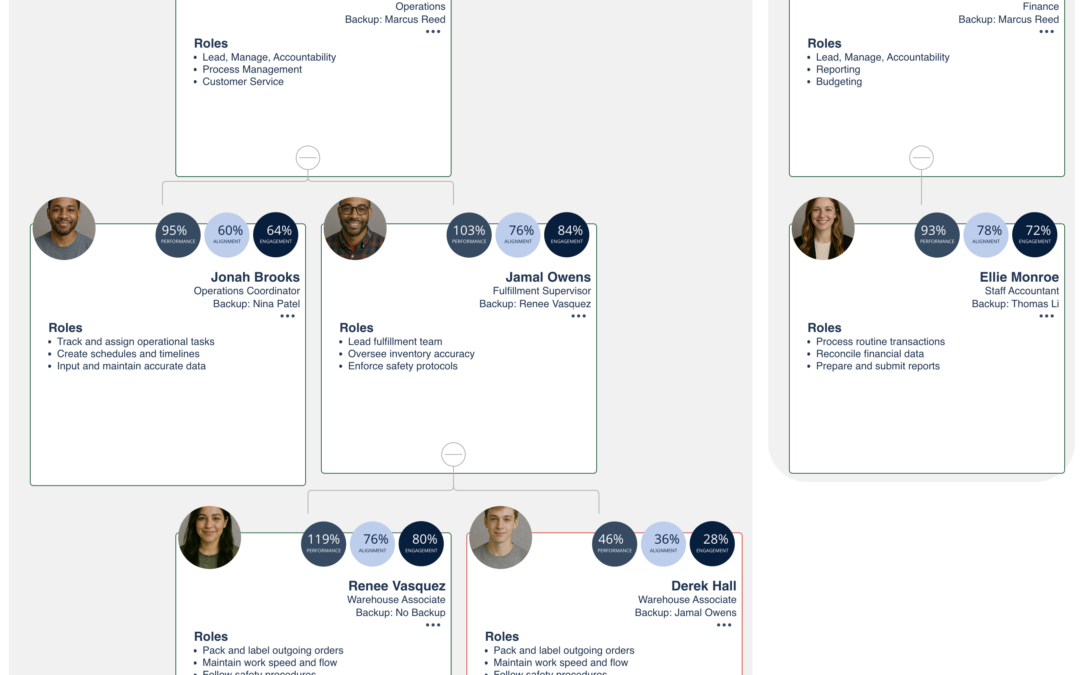
👉 https://performancescoring.com/feedback/ - Role clarity via the Org/Accountability Chart
👉 https://performancescoring.com/performance-management/ - Real-time task and project management
👉 https://performancescoring.com/task-management/
Teams no longer operate off assumptions—they operate off shared facts.
What the Research Says About Shared Data
🔗 McKinsey: Companies that adopt shared digital performance systems achieve a 20–30% increase in cross-functional efficiency.
https://www.mckinsey.com
🔗 Harvard Business Review: Teams with transparent data access experience reduced conflict and improved decision speed.
https://hbr.org/2023/05/the-data-transparency-advantage
🔗 MIT Sloan: Shared analytics environments significantly strengthen cross-functional collaboration and strategic alignment.
https://mitsloan.mit.edu/ideas-made-to-matter/how-data-improves-organizational-coordination
The message is clear: Shared data accelerates teamwork.
How Performance Scoring Powers Cross-Department Collaboration
1. Everyone Sees Performance the Same Way
ScoreCards, KPIs, Factors, and tasks are standardized across the organization.
2. Meetings Become Alignment Engines
Instead of vague updates, teams review real-time data—together.
3. Accountability Is Transparent
Who owns what is visible across departments, reducing finger-pointing and duplication of work.
4. Projects Move Faster
Task dependencies and cross-functional handoffs are easier to track.
5. Communication Improves Automatically
Because performance data updates continuously, teams stay aligned without extra meetings.
The result?
More clarity. Less chaos. Better outcomes.
Shared Data = Shared Success
When teams see the same data, they work toward the same goals.
Performance Scoring unifies departmental performance and transforms collaboration into a measurable, repeatable process.
If you’re ready to eliminate silos and improve cross-functional teamwork, Performance Scoring is the platform to get you there.
Start aligning your teams today:
https://performancescoring.com/contact/