Performance management is entering a major turning point. By 2026, organizations are moving away from surveillance-based systems and toward visibility-driven performance management. Instead of tracking activity and monitoring behavior, modern teams are prioritizing transparency, shared goals, and real-time insight into what truly drives results. This shift is reshaping how leaders manage performance, build trust, and align teams — especially as meetings, KPIs, and feedback become central to everyday workflows.
Surveillance Creates Compliance. Visibility Creates Performance.
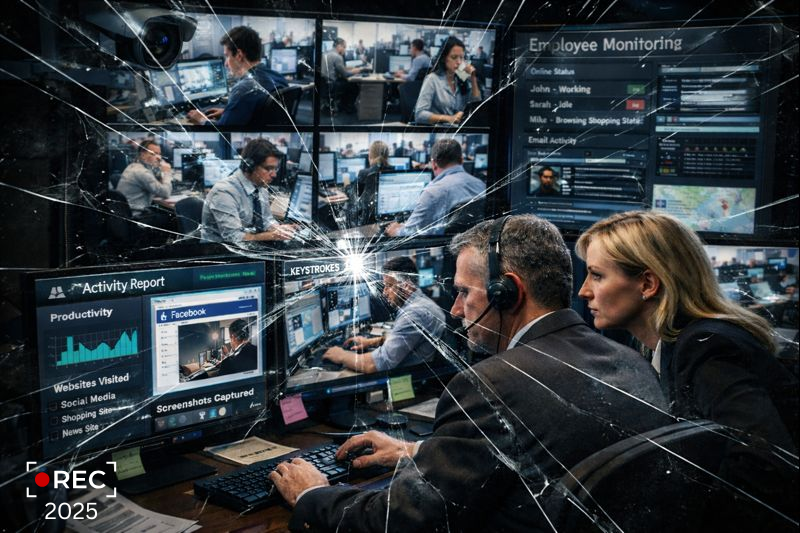
Surveillance focuses on inputs:
- Time online
- Tasks touched
- Activity counts
Visibility focuses on outcomes:
- Progress toward goals
- Momentum across teams
- Obstacles that need attention
- Wins worth celebrating
When organizations rely on surveillance, people optimize for appearances. When they embrace visibility, people optimize for results.
Why Visibility Is Replacing Surveillance
Three major shifts are driving this change:
Work Is No Longer Linear
Modern work spans projects, meetings, and teams. Monitoring activity can’t capture real impact, but visibility makes progress and alignment clear without stripping away autonomy.
Trust Drives Better Performance
Employees who feel trusted are more engaged and accountable. Surveillance erodes trust. Visibility reinforces it by making expectations and outcomes transparent for everyone.
Managers Need Context, Not Noise
Leaders don’t need more data — they need better insight. Visibility connects performance metrics to real conversations, decisions, and next steps.
Meetings Are Becoming the Center of Visibility
By 2026, performance visibility won’t live in isolated reports or HR systems. It will live inside meetings — where alignment actually happens.
When goals, KPIs, feedback, and action items are visible during meetings:
- Teams see progress in real time
- Decisions are grounded in shared data
- Accountability becomes collective, not punitive
Visibility works best when it’s discussed and acted on together.
From Private Monitoring to Shared Accountability
Surveillance is private by design. Visibility is shared.
In a visibility-driven system:
- Teams see how their work connects to goals
- Managers and employees look at the same data
- Feedback flows both ways
- Wins and challenges surface earlier
Performance management becomes something built with people, not imposed on them.
What Performance Management Looks Like in 2026
Leading organizations will:
- Replace activity tracking with outcome visibility
- Embed performance data into meetings and workflows
- Use KPIs as conversation starters, not scorecards
- Focus on progress, patterns, and momentum
The future of performance management isn’t about watching more closely.
It’s about seeing more clearly — together.
Ready to tackle 2026 together? Contact our team today to get started!
References
- Amabile, T. M., & Kramer, S. J. The Power of Small Wins. Harvard Business Review.
Research demonstrating that visible progress and small achievements significantly improve motivation, engagement, and performance.
https://hbr.org/2011/05/the-power-of-small-wins - Buckingham, M., & Goodall, A. The Feedback Fallacy. Harvard Business Review.
Explains why continuous, strengths-based feedback outperforms traditional performance reviews and monitoring systems.
https://hbr.org/2019/03/the-feedback-fallacy - Harvard Business Review — Are People Analytics Dehumanizing Your Employees? This article discusses how people analytics — when focused on monitoring behavior and outputs — can reduce trust, stress employees, and feel like surveillance rather than empowerment. It supports the idea that visibility must be ethical and human-centered rather than intrusive. https://www.daviddecremer.com/wp-content/uploads/Are-People-Analytics-Dehumanizing-Your-Employees.pdf